Every Lunar New Year, I dig through my kitchen drawers for the one silk pouch nice enough to hand my kids their sebaetdon in, and every year I can't find it until the morning of. That scramble is basically the whole story of celebrating Korean holidays over here. The traditions are intact in my head. It's the logistics that fall apart when you're not in Korea anymore.
So here's how we actually do it — what we hold onto, what we've let bend, and what I've figured out doing this in New York with two kids who are growing up bicultural whether I planned for it or not.
Quick answer: Korean American families celebrate Seollal (Lunar New Year) and Chuseok (harvest festival) by adapting the traditions to a US calendar: sebae bows and sebaetdon money on the nearest weekend, tteokguk soup, songpyeon rice cakes, and hanbok — while charye ancestor rites and observance often flex or fall away.
Seollal moves every year, so put it on the calendar in January
Seollal is the Korean lunar New Year. Because it runs on the lunar calendar, the date jumps around on the Western one, and no, it's not the same thing as Chinese New Year, even the years they land close together. In 2026 it's February 17 — the Year of the Horse. Back home it's a three-day holiday: the day before, the day of, the day after. Here it's a normal Tuesday. No day off work, no day off school. So we do what most Korean American families I know do and celebrate on the nearest weekend, usually the Saturday.
I mark it in January now. Learned that the hard way. The food alone can't be pulled off with a same-day grocery run, and nothing ruins the mood like realizing at 9am you're out of the one thing you needed.
Sebae: the bow, the money, and yes, the pouch matters
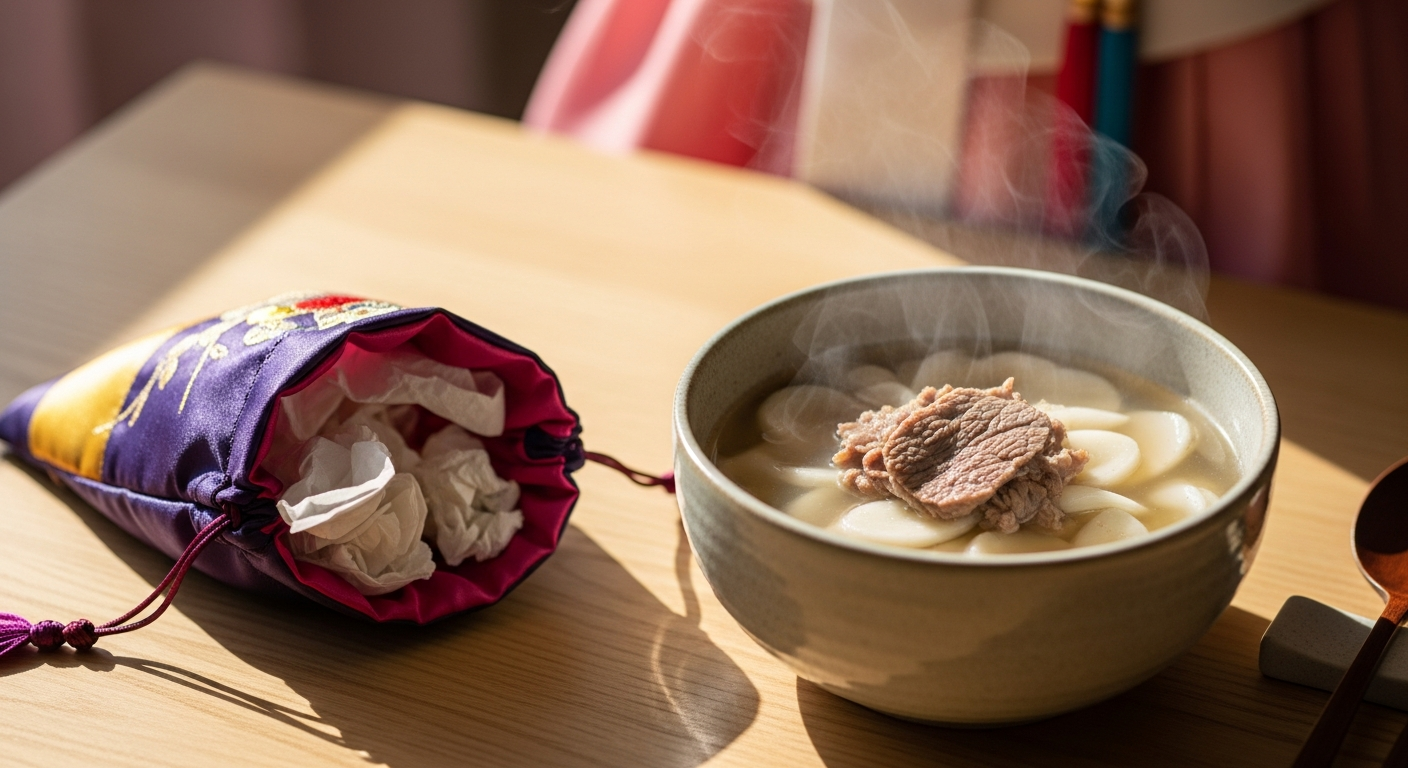
The heart of Seollal morning is sebae — a deep, formal bow from the younger people to the elders. My kids bow to me and to any grandparents or older relatives in the room, in hanbok if I've got it clean and ready, in regular pajamas if I don't (more on that disaster below). After the bow, the elders hand over sebaetdon, New Year's money, and traditionally it goes into a decorative silk pouch instead of a bare envelope or a fistful of bills.
I buy a couple of spare pouches whenever I spot them at H Mart, precisely so I'm not tearing the house apart at 8am. Small thing. But to my kids the pouch is the ritual — the money doesn't really count until it comes out of that little silk bag.
Tteokguk: the soup that ages you a year
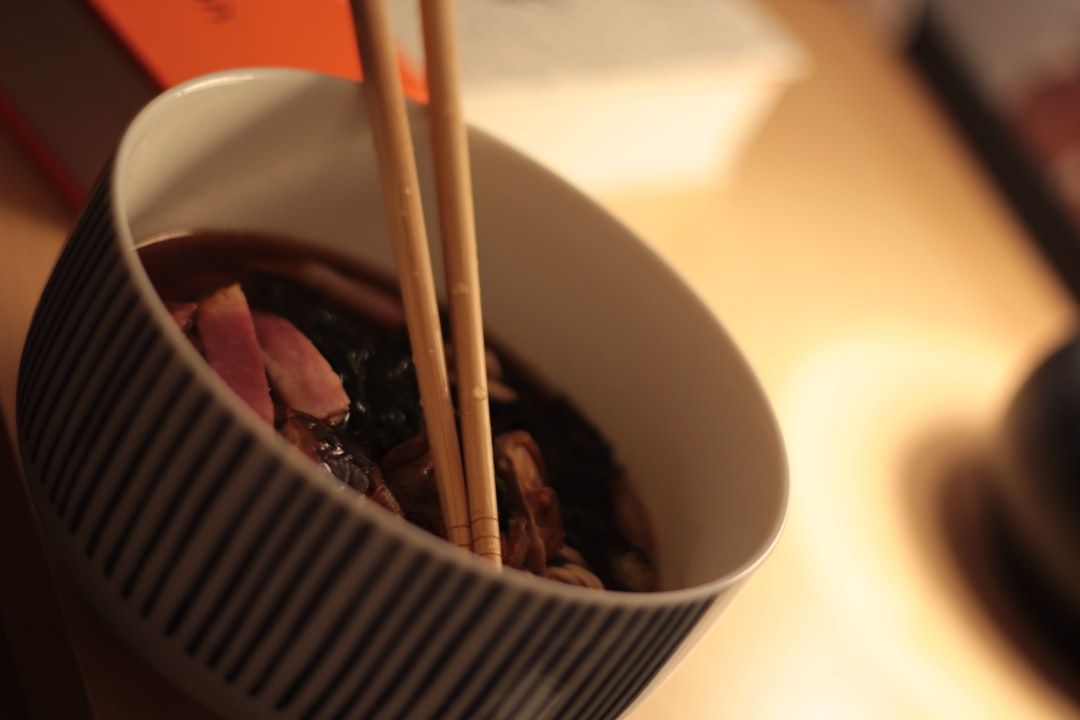
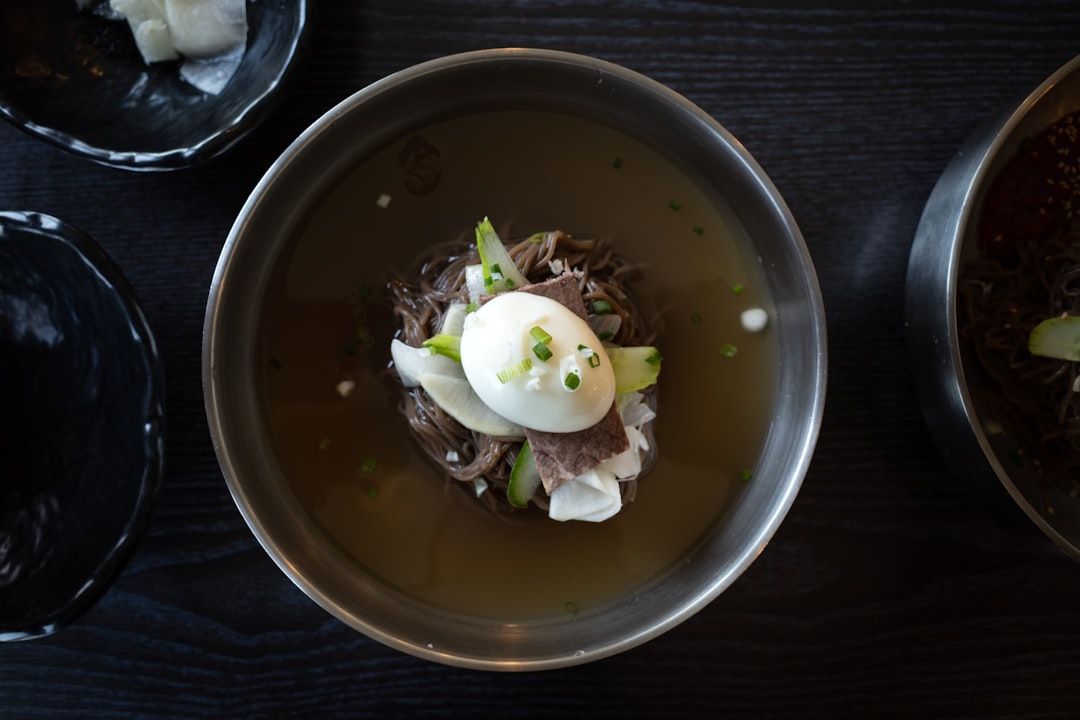
No Seollal morning happens in my house without tteokguk, a soup of thin oval rice cake slices in a savory beef or anchovy broth. The old belief is that finishing your bowl is what makes you a year older, not your birthday. I tell my kids this every single year, half tradition, half joke, and now they slurp the first spoonful and go "okay so how old am I now?" I love it a little too much.
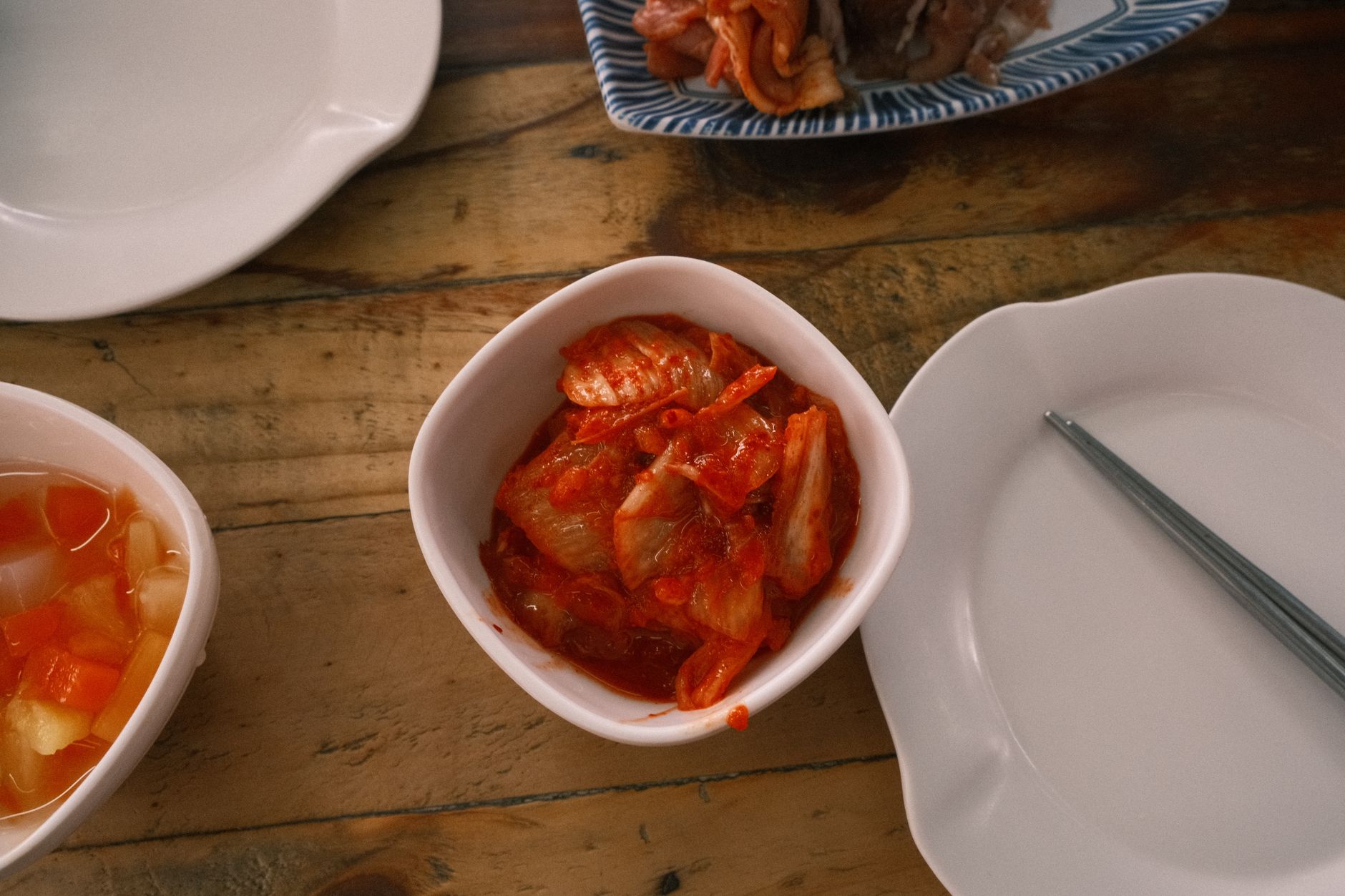
You'll find the rice cakes — garaetteok, sliced or in whole logs — in the refrigerated or frozen section at H Mart. I always grab an extra bag and freeze it, because tteokguk season around here isn't one meal. It's on the table on and off for a week. (If you're stockpiling banchan too, here's how I keep kimchi fresh in a US fridge so it doesn't all go bad at once.)
Songpyeon: the one food project I actually look forward to
Chuseok comes later in the year. People call it "Korean Thanksgiving," which isn't quite right — it's a harvest and ancestor-honoring festival, and the nickname flattens it — but it's the shorthand everyone uses. In 2026 it falls on September 25 (the holiday runs September 24–26 in Korea, built around the 15th day of the 8th lunar month).
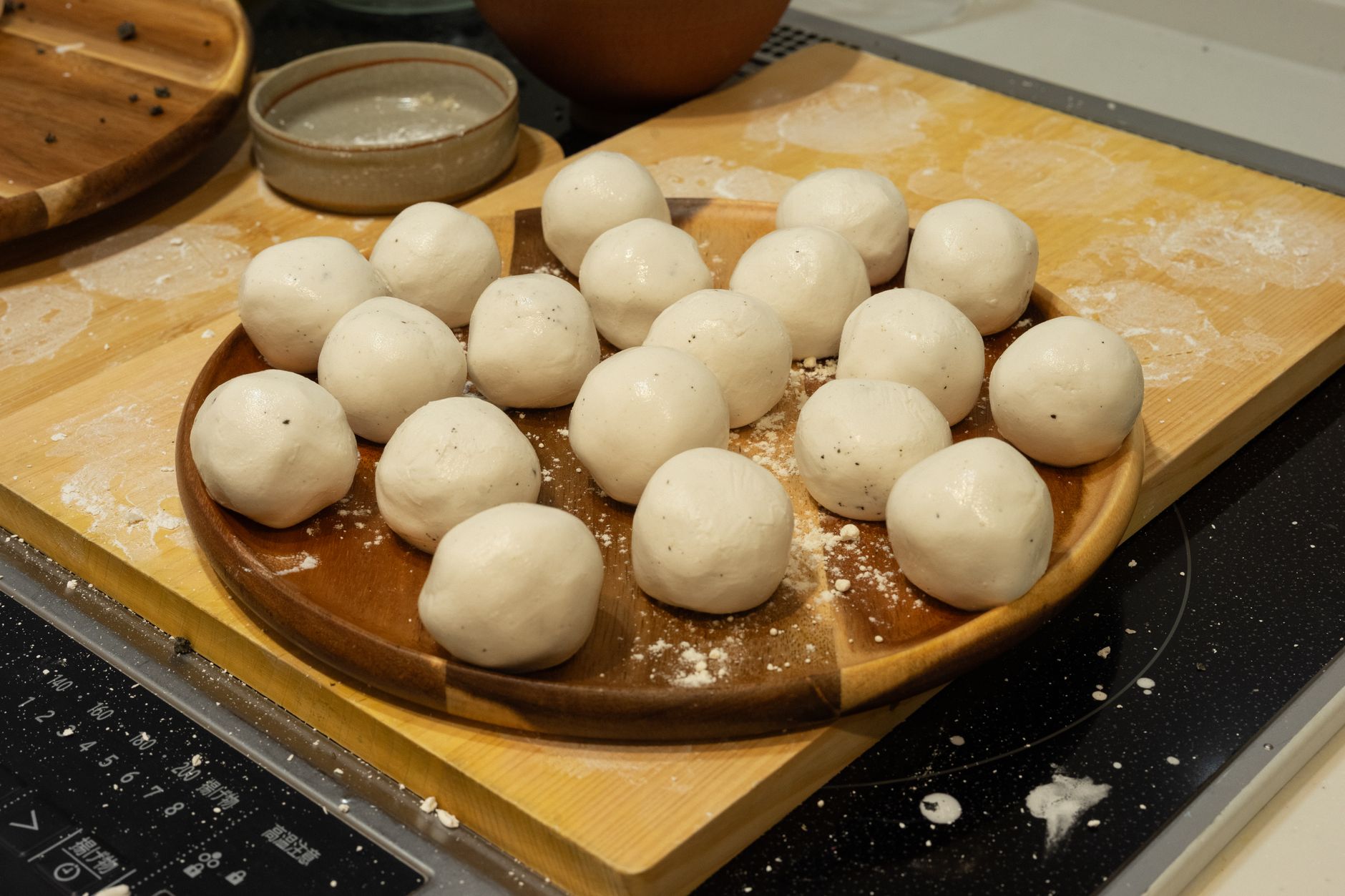
The part I look forward to is making songpyeon, those half-moon rice cakes stuffed with sesame, chestnut, or sweet red bean. I hand each kid their own little ball of dough and let them shape their own half-moons next to mine. The dough is forgiving, so lopsided is fine, and honestly lopsided is the whole point when small hands are involved. Short-grain rice flour for the dough, and the little songpyeon molds if you want cleaner shapes than freehand, are both at H Mart and most Korean groceries, usually shelved near the rest of the rice cake and dessert supplies. (If you want to build out the rest of the holiday spread, I've got a running list of easy Korean recipes that work with regular grocery store ingredients.)
Charye: figuring out what your family keeps
Traditionally, families perform charye, a memorial rite honoring ancestors, before anyone eats the holiday meal. This is where Korean American families really split. A lot of Christian families skip charye or swap in a prayer; others keep a pared-down version. We've had some honest conversations about what stays and what we let go, and I've stopped pretending there's one correct answer.
Here's what I'd say to another parent chewing on this: decide together what the ritual actually means to you, instead of running on guilt about doing it "less" than your parents did. The meal and the gathering hold the meaning even when the rite itself changes shape. That took me a few years to believe.
Hanbok runs on a US timeline, so buy or rent early
Hanbok, the traditional Korean dress, is the one thing I've learned to sort out weeks ahead, not days. Kids' sizes vanish fast around both Seollal and Chuseok because every Korean family is shopping the exact same narrow window, and if you're ordering from Korea, shipping eats up more time than you think. You'll want a dedicated hanbok shop — sometimes tucked into the same shopping plaza as the grocery store — or an online hanbok retailer, and it's worth handling this early rather than assuming you can grab one last minute.
My rule now: if my kids are wearing hanbok for sebae photos, it's in my hands at least two weeks before the holiday weekend, washed and hung. One less thing riding on top of the food.
Fitting the holiday into an American school year
One thing that's made this easier: New York City public schools have officially recognized Lunar New Year as a school holiday since 2015. That doesn't mean every Korean American family gets the day — it depends on your district — so check your own calendar. If your kids do get it off, that's your real Seollal, not just the closest Saturday.
I also give teachers a heads-up before Chuseok, since it usually isn't on the school calendar the way Lunar New Year sometimes is. A two-line email has saved us from more than one scheduling collision with a school event.
Doing less, on purpose, some years
Some years we go all in — sebae, tteokguk, hanbok, a whole afternoon of shaping songpyeon. Other years, life is just life, and we scale it down: tteokguk on the stove, sebae in whatever we happen to be wearing, no charye, sebaetdon still in the pouch because that part takes two minutes.
I don't treat the smaller version as a failure anymore. The thread for us was never reproducing every detail exactly the way it happened in Korea. It's making sure my kids know what these days are, why we bother to mark them, and that when they're grown they get to build their own version of "keeping" a tradition. That's the part I actually want to hand down. More than any single bowl of soup or bow on the floor.
FAQ
Is Seollal the same as Chinese New Year? No. Both fall on the lunar calendar and sometimes land close together, but Seollal is a distinct Korean holiday with its own rituals — sebae, tteokguk, sebaetdon — separate from Lunar New Year traditions in other cultures.
Do Korean American kids get the day off school for Lunar New Year? It depends on the district. NYC public schools have recognized Lunar New Year as an official school holiday since 2015, but coverage varies elsewhere, so check your local school calendar each year.
What goes in a sebaetdon pouch, and does the amount matter? Sebaetdon is New Year's money elders give to younger family members after the sebae bow, traditionally placed in a small silk pouch rather than handed over bare. The pouch is part of the ritual; the amount is a family's own call and tends to scale with age.
Do Korean American families have to perform charye? No — it's optional and varies widely by family. Many Christian Korean American households skip it or substitute a prayer, while others keep a simplified version. What matters more to most families is the shared meal and gathering itself.
When is Chuseok in 2026, and how long does it last? Chuseok falls on September 25, 2026, with the full holiday running September 24–26 in Korea. In the US, most families without the days off celebrate on the nearest weekend instead.
If sebae is already on your calendar, the next skill worth building is the one that comes right after the bow — teaching your kids Korean table manners and chopstick basics so the holiday meal goes as smoothly as the ritual.