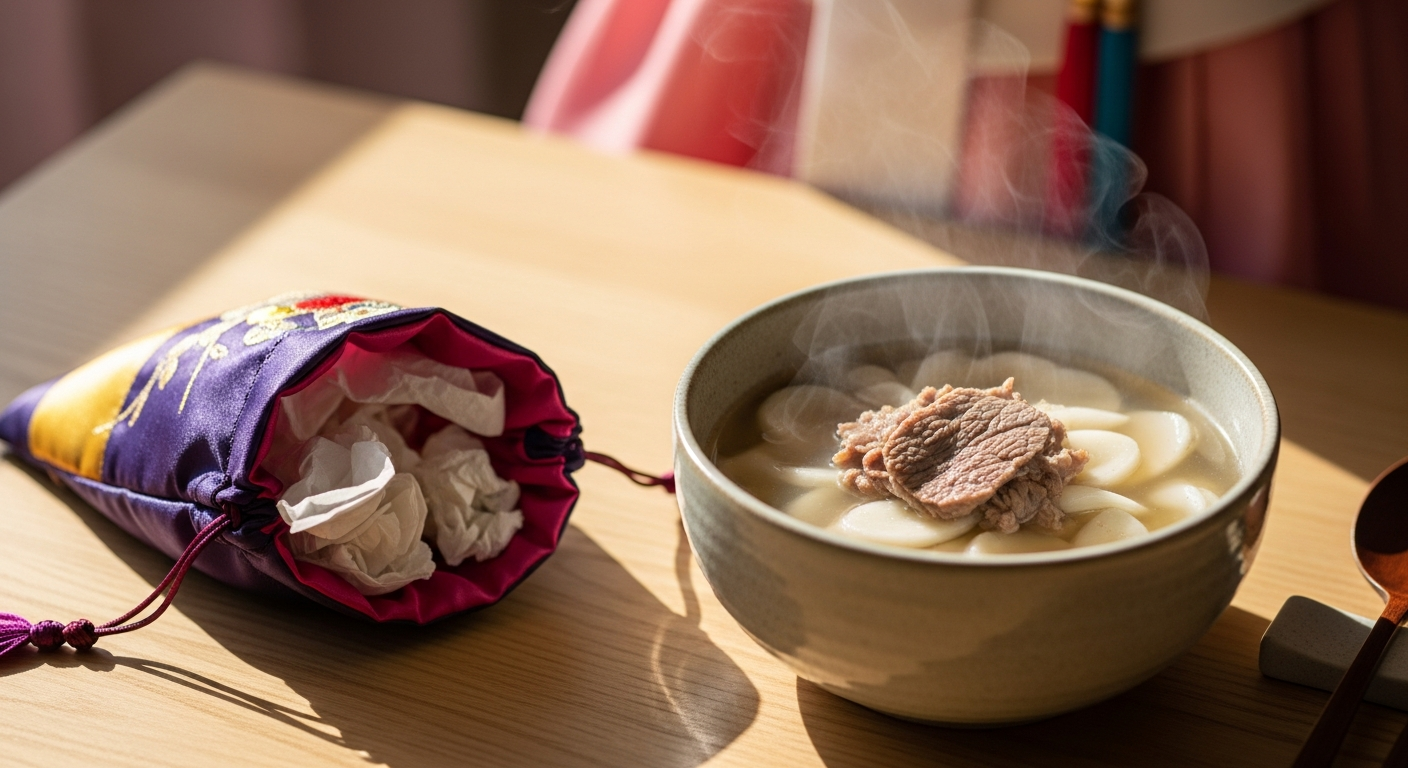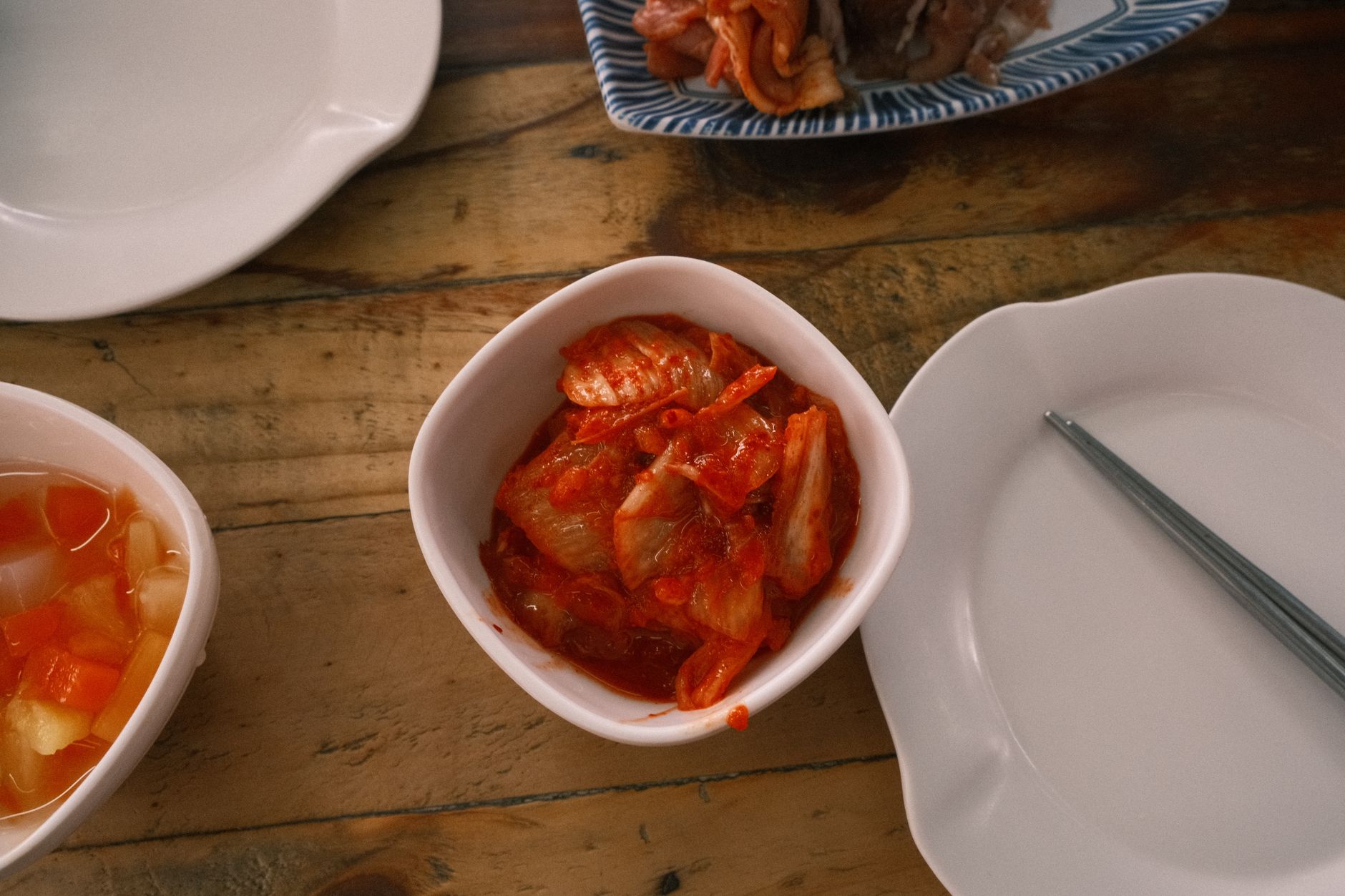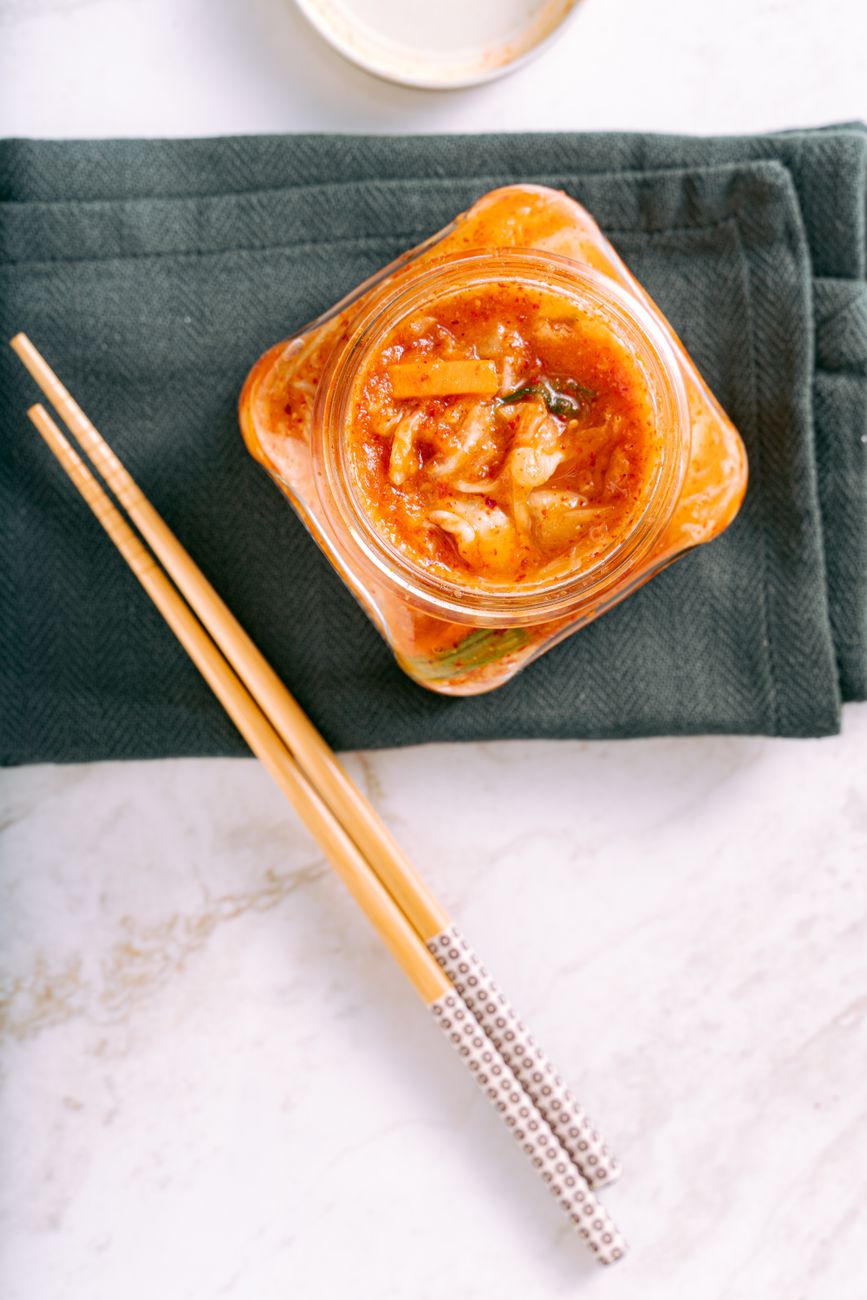
My mom calls almost every week and asks the same thing before anything else: "먹었어?" Did you eat? She doesn't mean dinner in the general sense. She means kimchi. Doenjang jjigae. Something fermented, something warm, something that came out of a pot. Back home, "eating well" was never about supplements or superfoods. It was a rotation of ordinary foods that landed on the table so often you stopped seeing them.
Moving my kitchen to Queens forced me to actually pick. Two bedrooms, one narrow galley kitchen, no pantry, no 반찬 wall of side dishes from my mom. Which of these do I keep? Which ones hold up when you look past the folklore?
So I did something the glossy lists never do: I ranked them by how good the evidence actually is. Not by how Korean they are, not by how photogenic. By whether real humans were studied, or just rats.
Quick answer: Ranked by evidence quality, kimchi is the only Korean "superfood" with recent human randomized trials behind it (metabolic markers, gut bacteria, immune cells). Korean red ginseng comes second — real trials, but small and short. Gochujang and doenjang are mostly animal studies. Seaweed soup is tradition plus an iodine caution. All are good food; none are medicine.
The Evidence Tiers, Before Anything Else
Here's the whole post in one table. Everything below is just the detail.
| Food | Best evidence so far | My honest read |
|---|---|---|
| Kimchi (김치) | Human randomized trials, 2024 and Nov 2025 | Strongest of a modest bunch. Eat it daily. |
| Korean red ginseng (홍삼) | Human trials, but small and short | Promising. Not a miracle. |
| Gochujang (고추장) | Mostly rat and mouse studies | Delicious. Evidence is early. |
| Doenjang (된장) | Mostly rat and mouse studies | Same. Cook with it anyway. |
| Gim / miyeok (seaweed) | Tradition, plus a real iodine ceiling | Great food. Don't overdo it. |
A "randomized controlled trial" just means they split real people into groups, gave one group the food and one group a placebo, and compared. That's the gold standard. A mouse study is a hint. Tradition is tradition — I love it, but it isn't data.
Kimchi: The Only One With Fresh Human Trials
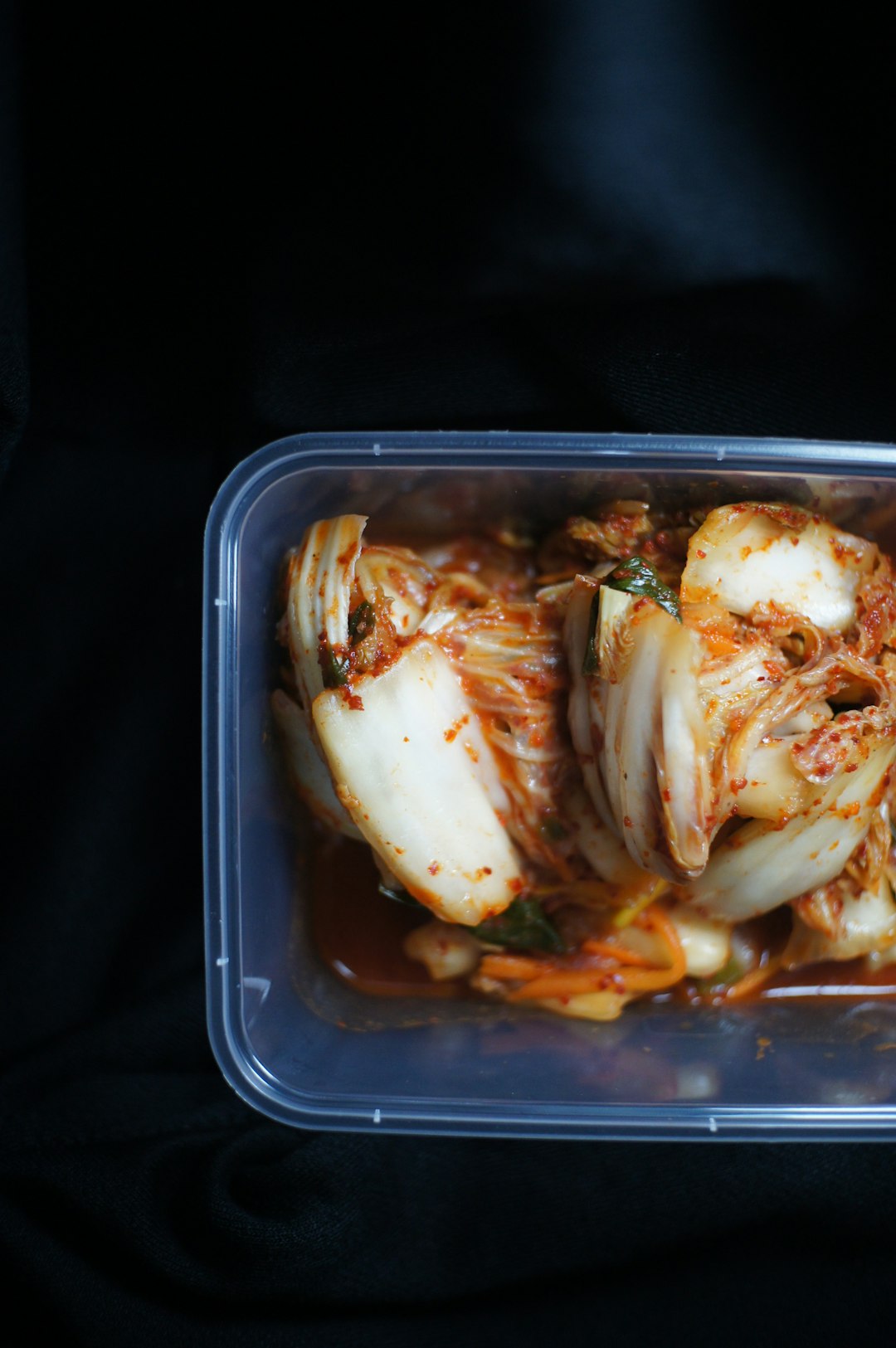
Kimchi is salted, fermented vegetables — usually napa cabbage — and the fermentation runs on lactic acid bacteria, mostly Leuconostoc mesenteroides and Lactobacillus plantarum. Roughly the same crew doing the work in a jar of sauerkraut.
(Small note: it's kimchi, not "kimchee." Modern style guides settled on kimchi. My mom spells it 김치 and doesn't care either way.)
What the human trials actually found
Two studies are worth knowing about, and both come with an asterisk I'd rather hand you up front than have you find later.
The 2024 randomized trial (Journal of Functional Foods, 55 participants) gave overweight adults the equivalent of 60g of kimchi a day for 3 months and saw improvement in metabolic markers. Here's the asterisk: they didn't eat kimchi. They swallowed three freeze-dried kimchi capsules per meal. The dose works out to 60g, but a capsule of kimchi powder is not the same experiment as five pieces off a side dish, and nobody has run the second one. Same trial found more Akkermansia muciniphila in both kimchi groups — that's a gut bacterium tied to a healthier gut lining. Kimchi trials on blood lipids and cholesterol exist too, per a scoping review in the Journal of Ethnic Foods.
The 12-week trial published November 17, 2025 (npj Science of Food, from Nature) is the one that made the rounds, and it's genuinely a first: nobody had looked at kimchi and immune cells at the single-cell level before. The parent trial had 90 overweight adults. But the single-cell sequencing? Thirteen samples. Four placebo, five one kimchi type, four the other. At 3,000 mg of powder a day, which is about 30g of fresh kimchi — half the dose everyone quotes from the 2024 trial. Thirteen people is a hint, not a finding.
That's still more human evidence than anything else on this list, which tells you more about the rest of the list than it does about kimchi.
How much kimchi per day, actually
60g a day is the number the trials work out to — a small side-dish portion, maybe 4 or 5 pieces. Which is close to how Koreans eat it anyway. You don't need a bowl. You need it most days.
Here's the trade-off nobody mentions: kimchi is salty. If you're watching sodium, a daily side portion is one thing, and eating half a jar with rice at midnight is another. I've done the second one. It's not the plan.
And no — kimchi doesn't cure colds. My mom believes it does. That's folk belief, not a trial result. Frame it as gut and immune support and you'll be honest.
Where to buy kimchi in the US
Stocking one turned out easier than I feared. H Mart, with more than 90 stores nationwide now, has a whole wall of it. No H Mart nearby? Costco sells Jongga Sliced Napa Cabbage Kimchi in a 52.9 oz (~3.3 lb) jar for somewhere around $8 to $9 depending on your warehouse — a real bargain per pound next to the little glass jars. Trader Joe's own-brand runs about $3.99. Whole Foods carries US brands like Mother-in-Law's, Wildbrine, and Sunja's, which cost more than the Trader Joe's jar and taste like more, too. Kroger, H-E-B, Albertsons, Amazon — all stock at least one brand.
None of that was true when I got here six years ago. I used to plan a whole Saturday around one kimchi run.
One buying note: some US brands use a starter culture for consistency instead of letting it ferment naturally. It's still fermented, it's still fine — it just tends to taste flatter and more uniform. If a jar tastes like nothing, buy a different brand before you decide you don't like kimchi.
If you're curious how the fermentation works from scratch, walks through it.
Korean Red Ginseng: Real Trials, Small Ones
Red ginseng, or hongsam (홍삼), is Panax ginseng root steamed and dried instead of used raw. This is second place on the evidence list, and the gap between it and kimchi is mostly about study size.
What the approval actually means
Korea's regulator (MFDS, formerly KFDA) has approved specific functional-food claims for red ginseng: immune function, antioxidant activity, memory support, circulation, and fatigue recovery. That's a higher bar than most superfood marketing clears.
But here's the part the ads leave out. The US NCCIH — the government's complementary-health center — notes that most ginseng trials are small (under 200 people) and shorter than 3 months. Promising. Not conclusive.
One trial worth naming: a 1995 study of 90 men found Korean red ginseng at 1,800mg/day beat both placebo and trazodone for erectile dysfunction — 60% response versus 30% for each of the others. Real trial, real result, thirty years old, and one narrow outcome. It does not stretch into a general "ginseng gives you energy" claim. The marketing stretches it constantly.
You'll also see a 2022 safety study waved around as proof of fewer viral infections. That one was Sprague Dawley rats, dosed for a year, with the infection angle inferred from proteomics rather than anyone actually catching fewer colds. Rats. If you want a human cold study, there's a 2012 RCT in the Journal of Korean Medical Science — smaller and less dramatic than the rat headline, which is usually how it goes.
Buying it, and one caution
Red ginseng is the hardest item here to find outside a Korean market or online. KGC Cheong Kwan Jang is the authoritative brand, and the 6년근 — six-year — growing period on the box is a real distinction from ordinary ginseng, not a marketing invention.
In our apartment it's a small stick pack of extract in the morning, or a tea bag after dinner when it turns cold. My husband works long hours and swears by the stick packs. I'm not going to tell you that's the trial data talking.
The caution that matters: ginseng can interact with medications — blood thinners are the one people most often bring up. I'm a home cook, not a nurse. If you take anything daily, ask your doctor before you start a ginseng habit. That sentence is the whole reason this section isn't longer.
Gochujang and Doenjang: Rat Studies Wearing a Superfood Costume
If kimchi is the daily side, doenjang (된장, fermented soybean paste) and gochujang (고추장, fermented chili paste) are the base note under almost everything else. Both begin with meju, dried fermented soybean blocks, worked over by Bacillus, Aspergillus, and Lactobacillus for weeks or months.
You'll see them on every Korean superfood list with impressive words attached: anti-obesity, anti-cancer, even anti-Alzheimer's markers.
Go look at those studies. They're rats and mice, almost all of them. Not human trials. That doesn't make them false — it makes them early. It's the difference between "a mouse's liver responded" and "a person got healthier." Those lists print them as if it's the same thing.
So I'll say the boring true version. Doenjang is a fermented soybean paste, which means it actually does carry some protein. Gochujang mostly doesn't — it's glutinous rice, gochugaru, and a minority share of meju powder, so it's more starch and chili than anything else, no matter what the label implies. Both have interesting early research and no proven human benefits yet. Cook with them because they make dinner good.
How I actually cook with them
A spoonful of doenjang stirred into simmering water with zucchini, potato, and tofu is my weeknight soup — doenjang jjigae, about 15 minutes from cold stove to bowl. My youngest will eat the potato and nothing else, and I've made peace with that.
Gochujang goes into a fast pork marinade, or a dipping sauce loosened with sesame oil and vinegar. If you're cooking for kids, cut it with a little honey and sesame oil — my daughter went from "too spicy" to asking for it once I did.
Both last months in the fridge once opened, which is the whole reason they work when you're not cooking Korean every night. Gochujang has gotten genuinely easy to find: Sempio is stocked at Walmart, Bibigo turns up at Target, Sprouts, and H-E-B. Doenjang is a different story. I wouldn't count on your regular grocery store having it — H Mart or online is the safe bet, and if your Whole Foods happens to carry a tub in the international aisle, consider that a bonus rather than a plan. For more weeknight ideas built on these two, see Korean soup recipes .
Seaweed: Gim, Miyeokguk, and the Iodine Ceiling
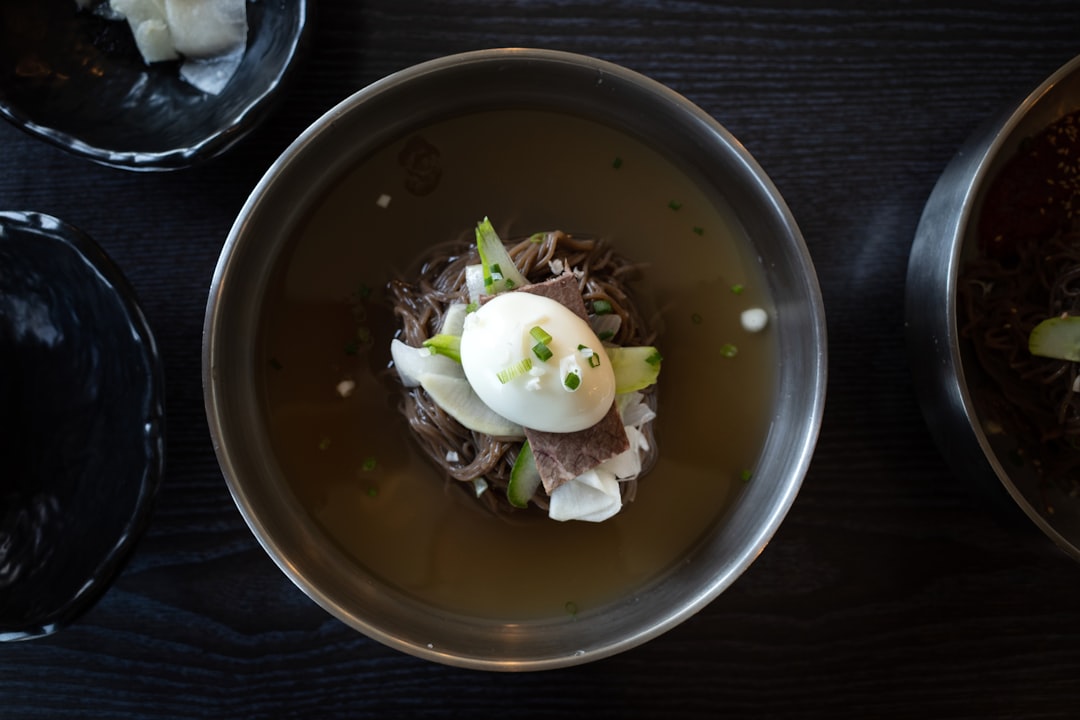
Two different things get lumped together here. Gim (김) is the roasted seaweed sheets — the snack packs my kids inhale, and the wrapper for kimbap. Miyeok (미역) is wakame, the soft seaweed in soup.
Miyeokguk (미역국) is the standard postpartum food back home, and the traditional birthday soup. The birthday version isn't really about the birthday person — you eat it in remembrance of your mother's recovery after childbirth, a small annual thank-you delivered in soup form. That one always stops people the first time I explain it.
The iodine number nobody puts on the superfood lists
Seaweed is enormously iodine-dense. One bowl of brown seaweed soup can run about 1,705 micrograms of iodine. The WHO's recommended intake for pregnant or lactating women is around 250 micrograms a day, with an upper limit near 500.
Eat miyeokguk three times a day — which is honestly the tradition for new mothers — and you're at roughly 5,115 micrograms. More than ten times the daily ceiling.
I made a big pot after both my kids were born, and I still eat it. I just no longer wave through "three bowls a day for weeks" only because it's tradition. Once a day is more sensible, especially if you're pregnant, breastfeeding, or dealing with a thyroid condition — worth a word with your doctor if you're not sure. Gim snack packs are much lighter on iodine than a bowl of soup, so I don't worry about those the same way.
If fermentation and gut health is what brought you here, digs into the broader science.
What These Foods Don't Do
Flatly, because the headlines sprint ahead of the science: none of these cure or prevent disease in humans at any reliable scale.
Kimchi's numbers are real and modest, and one of them rests on thirteen samples. Red ginseng's trials are real and small. Gochujang and doenjang are mostly still in the animal-research stage. Miyeokguk is tradition with a ceiling on it. Good ordinary food, eaten often. Not medicine.
What I Actually Do in a Week
Nothing elaborate. Kimchi lives in the fridge and gets eaten most days as a side — roughly the trial portion, entirely by accident. Doenjang jjigae or something gochujang-based turns up two or three times a week because it's fast, not because I'm optimizing. Red ginseng tea is an occasional cold-weather evening. Miyeokguk is once in a while now, except in the weeks right after a baby.
If you only do one thing: buy a jar of kimchi and eat a small side of it most days. That's the item with the evidence, thin as it is. Everything else is flavor and tradition, which are also good reasons.
A Simple US Shopping List
- Kimchi — Costco jar for the price, Trader Joe's or Mother-in-Law's for a smaller start. Buy the one you'll actually finish.
- Doenjang — a tub from H Mart, or online. Lasts months.
- Gochujang — a tube or tub, Sempio at Walmart or Bibigo at Target. Pantry until opened, fridge after.
- Dried miyeok — a few dollars for a bag that makes several pots. Shelf-stable forever.
- Gim — snack packs if you have kids. They will not last the week.
Red ginseng and doenjang are the two I'd send you to a Korean market or online for. The rest, check the international aisle first.
None of it is glamorous. That's sort of the point. My mom isn't checking whether I've had a superfood. She's checking whether I've had dinner that looks like the dinners she used to make me — which happen to hold up pretty well under a microscope, too.
Frequently Asked Questions
Is kimchi actually a superfood, or just fermented cabbage? Honestly? It's fermented cabbage that happens to have better human evidence than most things marketed as superfoods, which is a low bar. A 2024 randomized trial found metabolic improvements at the equivalent of 60g a day over 3 months, though participants took freeze-dried capsules rather than eating kimchi. A November 2025 trial found effects on immune cells, based on single-cell sequencing of thirteen samples. Real, modest, early.
How much kimchi should you eat per day for gut health? The 2024 trial used 60g a day — a small side-dish portion, about 4 or 5 pieces — for 3 months, delivered as capsules. Consistency matters more than volume. Watch the sodium if that's a concern for you.
Does Korean red ginseng really work, or is it just placebo? There are real randomized trials showing effects, including a 1995 study of 90 men where 1,800mg/day of Korean red ginseng beat placebo. But the NCCIH points out most ginseng trials are small and under 3 months. So: better than placebo in some specific studies, not proven for the broad "energy and vitality" claims on the box.
What's the healthiest Korean food to eat every day? Kimchi, by the evidence. It's the only one with recent human trials, and a small daily portion is exactly how it's traditionally eaten. Doenjang jjigae is a close second for being genuinely good food, just don't credit it with the mouse-study benefits.
Is miyeokguk (Korean seaweed soup) safe to eat every day? One bowl a day is generally reasonable. Eating it multiple times daily — the traditional postpartum pattern — can push iodine past the WHO's upper limit of about 500 micrograms, which matters most if you're pregnant, breastfeeding, or have a thyroid condition. Ask your doctor rather than trusting the tradition alone.
If you're building out a full Korean pantry beyond these five, is the natural next stop — where to buy each staple, what lasts, and what to skip.