My air fryer hasn't gone back in a cabinet in months. It lives on the counter, plugged in, ready, and I'm not exaggerating when I say it rescued my weeknights.
When I first landed here from Seoul, I had myself convinced that real Korean food required a full pilgrimage to a Korean grocery store. Perilla oil. The exact brand of gochugaru my mom used. Doenjang that came in a specific tub. Then one week I got lazy — my youngest had a fever, the H Mart run wasn't happening — and I started cooking with whatever the regular store two blocks away actually stocked. The results were better than I had any right to expect.
So here are the things I make on repeat in a cramped Bayside kitchen. All tested in my air fryer, all built around stuff you can grab on a normal Tuesday.
Quick answer: Yes — you can make Korean-inspired air fryer recipes like crispy fried chicken, tteokbokki, and spicy tofu using regular grocery store ingredients. Most major US chains now stock gochujang and gochugaru in the international aisle. No luck there? Swap in miso plus sriracha and sugar, or red pepper flakes plus paprika instead.
Check Your Regular Grocery Store Before You Assume
This changed in the last few years and a lot of recipe posts haven't caught up. Gochujang (고추장, fermented chili paste) and gochugaru (고춧가루, chili flakes) are now stocked at Walmart, Target, Kroger, and Whole Foods — international or Asian aisle, usually a red plastic tub. Brands you'll see: CJ Haechandle, Chung Jung One, Sempio.
I still remember standing in a Kroger aisle on a road trip, three hours from the nearest Korean market, and finding a tub of Haechandle sitting there like it was nothing. In Korea I'd have grabbed it at the corner store without thinking. Here it felt like a small miracle.
So look first. Ask someone. It's often two shelves over from the soy sauce.
And one myth to kill: gochujang is not "Korean ketchup," and it's not a 1:1 sriracha swap. It's fermented and soybean-based, so it's thicker, saltier, much less vinegary. If you dump sriracha where a recipe wants gochujang, you'll get heat and sourness with none of the deep savory backbone.
Grocery Store Substitutes for Gochujang, Gochugaru, and Doenjang
Every recipe below works without a single specialty ingredient. Here's what I'd actually use:
| You need | Sub with | Ratio |
|---|---|---|
| Gochugaru, 1 tsp | Red pepper flakes + sweet paprika | ¾ tsp flakes + ¼ tsp paprika |
| Gochujang, 1 tbsp | White miso + sriracha + brown sugar | 2 tsp miso + 2 tsp sriracha + 1 tsp sugar |
| Gochujang, 1 tbsp (no miso) | Sambal oelek + brown sugar + soy | 2 tsp sambal + 1½ tsp sugar + ½ tsp soy |
| Doenjang | White or yellow miso | 1:1, then add a pinch of salt to taste |
| Mirin / rice wine | Dry sherry | 1:1, plus ½ tsp sugar per tbsp |
| Ganjang (간장, soy sauce) | Any regular soy sauce | 1:1 |
A few honest notes on those. Regular red pepper flakes run hotter and coarser than gochugaru, so start light — you can always add more. White miso is milder and less salty than doenjang, so taste before you salt. The miso-sriracha-sugar blend is the closest gochujang stand-in because miso brings back the fermented depth sriracha can't. And the sugar in the sherry line isn't optional fussiness: mirin is a lot sweeter than dry sherry, and without it your sauce tastes thin and boozy. Apple juice in place of mirin works in a pinch but it's missing the bite. Treat it as a stand-in, not a swap.
Why the Air Fryer Works So Well for Korean Cooking
A lot of Korean cooking leans on high, dry heat — the char on galbi, the crunch on twigim (battered, deep-fried things). A regular oven takes forever to get there, and hovering over a hot pan isn't in the cards when my daughter is yelling about homework and my youngest is under the table. The air fryer's convection heat gets things crisp fast.
Being straight with you though: an air fryer does not replicate real double-fried Korean fried chicken. The restaurant version has a shatter-crisp, crackly shell that comes from two rounds in a lot of hot oil. Air fryer chicken is close. Crisp, golden, genuinely good, but drier and less crackly. Anyone who tells you it's identical is selling something. I make it this way because I'm not deep-frying two quarts of oil in a two-bedroom apartment where the smoke alarm is directly above the stove. Ask me how I know.
best air fryer tips for beginners
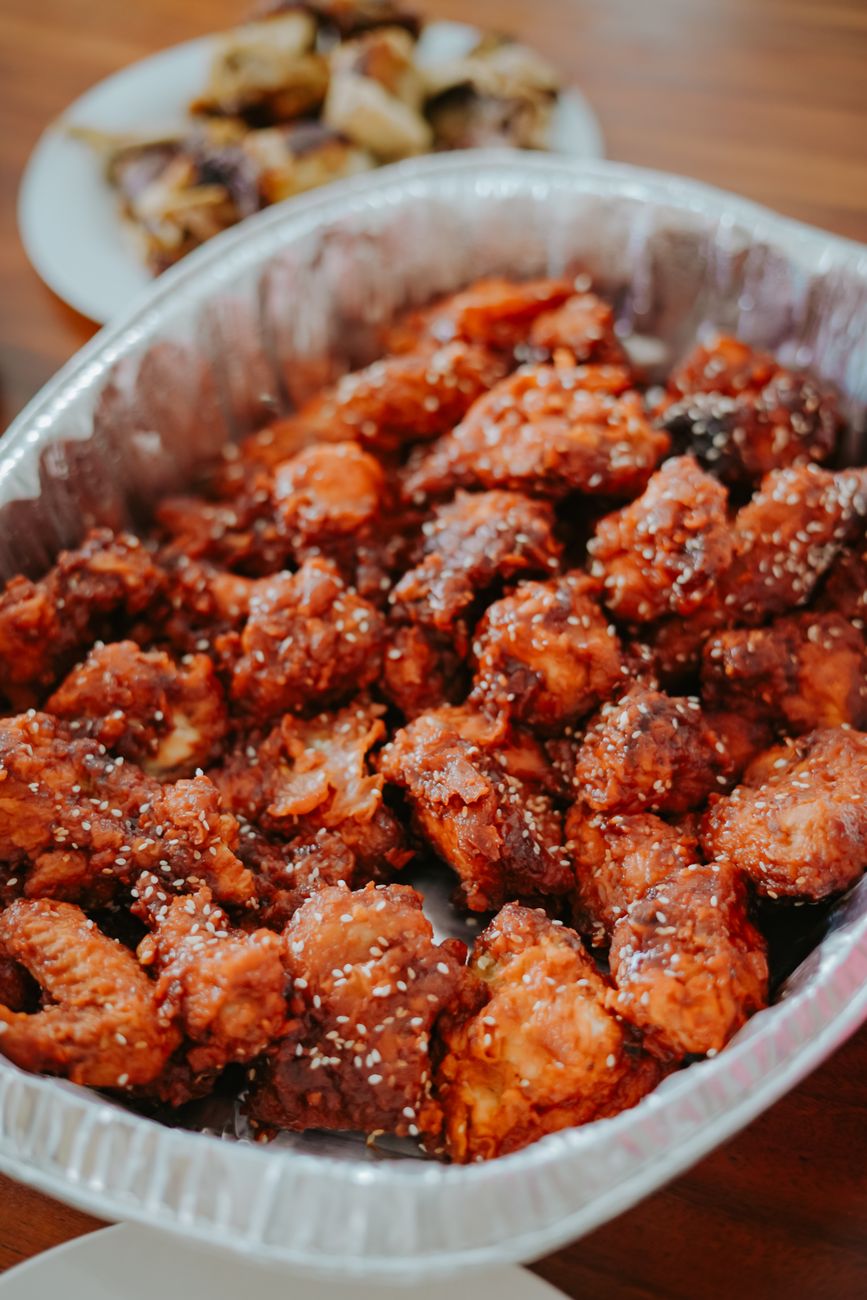
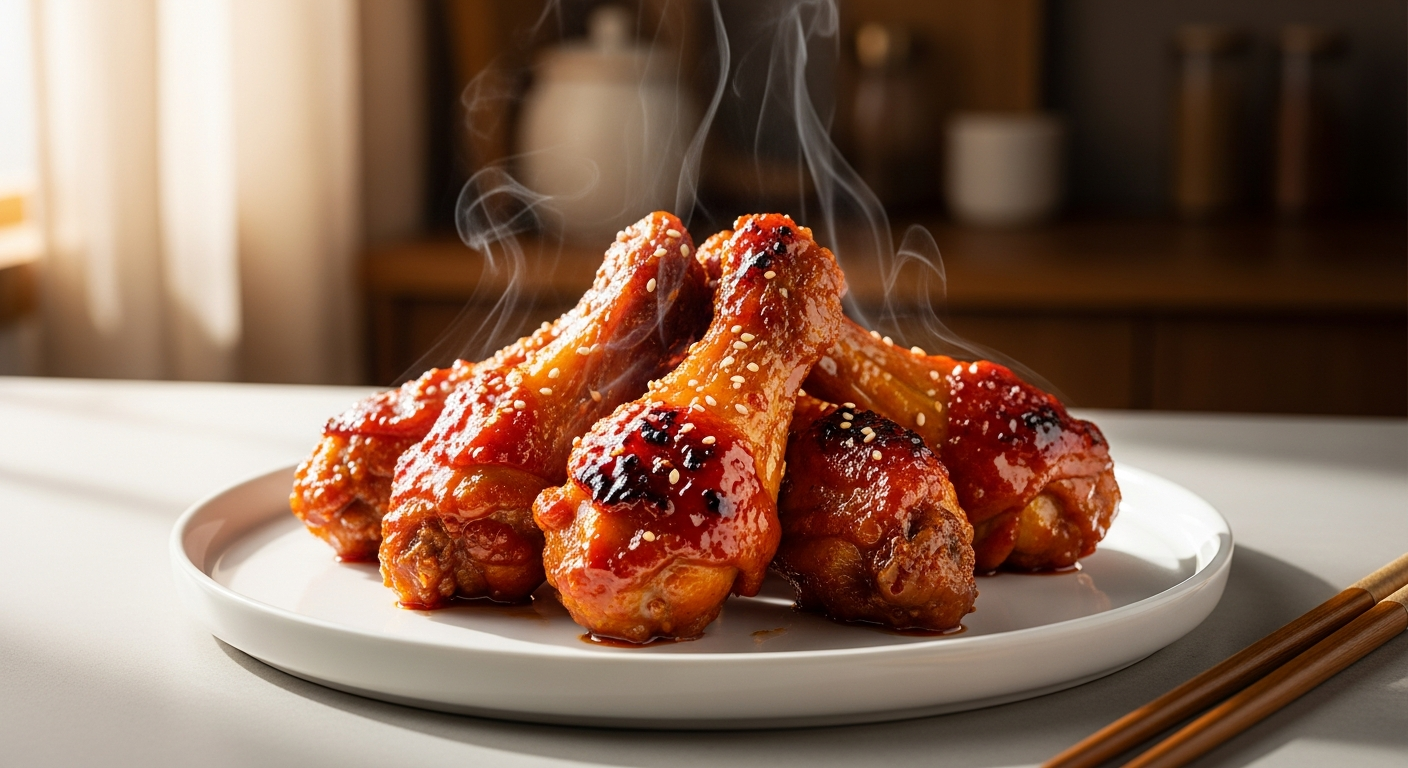
Air Fryer Korean Fried Chicken Recipe (The One We Make Most)
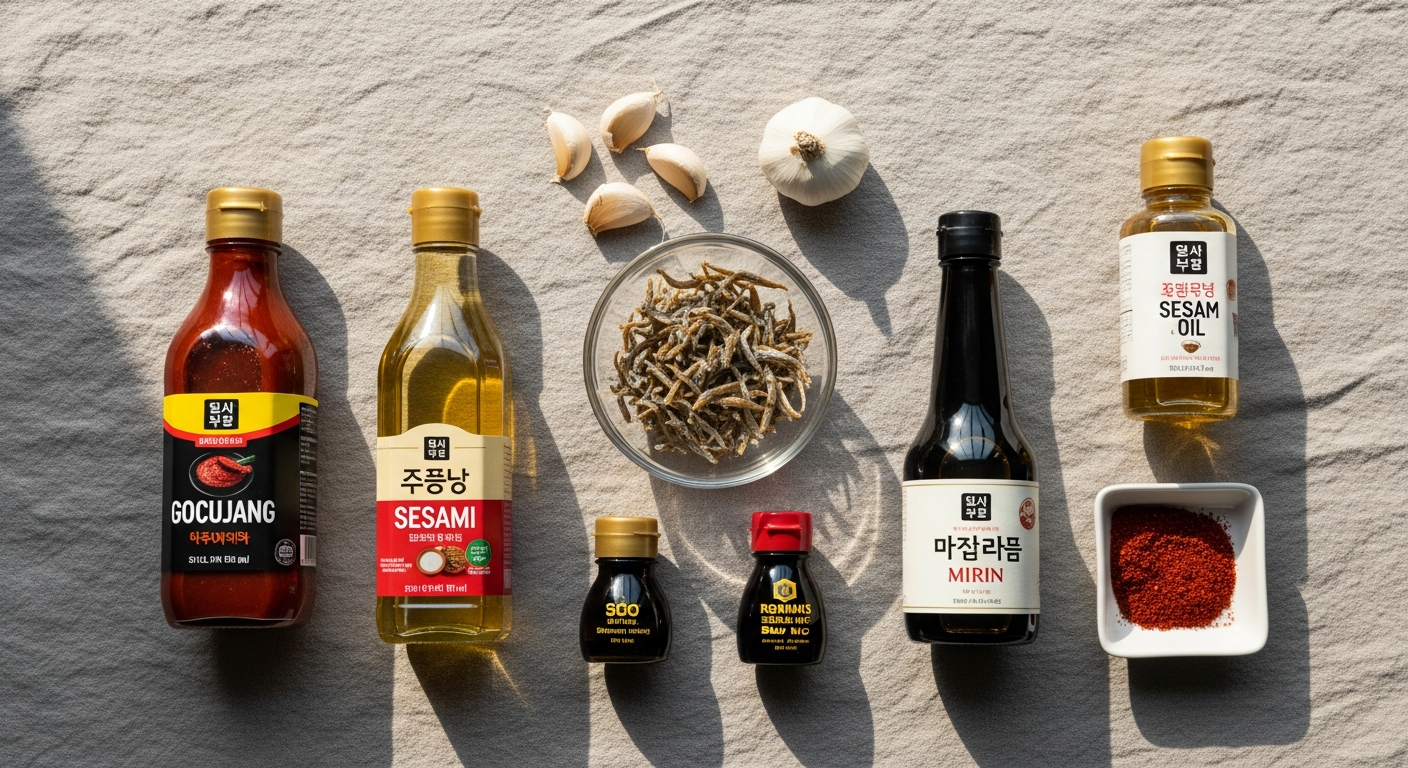
Thighs are my default — cheaper at Costco, more forgiving than breast, and my kids will actually eat them. Wings work with the same method.
Ingredients (serves 4)
For the chicken: - 2 lbs chicken thighs (bone-in or boneless) or wings split at the joint - 1 tbsp soy sauce - 1 tsp garlic powder - ½ tsp black pepper - 1 egg, beaten - ½ cup cornstarch or potato starch - 1 tsp baking powder (2 tsp if you want max crunch — that's closer to the standard ratio, and I've gone both ways) - Cooking spray
For the sauce: - 2 tbsp gochujang (or the sub from the table above) - 2 tbsp honey or brown sugar - 1 tbsp soy sauce - 1 tbsp ketchup - 2 cloves garlic, minced - 1 tsp sesame oil
Instructions
- Pat the chicken bone-dry with paper towels. This matters more than anything else on this list. If I've got an hour, I leave it uncovered on a rack in the fridge — that alone is the difference between crisp and sad.
- Toss with soy sauce, garlic powder, and pepper. Let it sit 20 minutes, or overnight if you're organized. I rarely am.
- Double-coat it: dip each piece in the beaten egg, then dredge in the cornstarch mixed with baking powder. The baking powder is the crispiness trick. It raises the surface pH so the coating browns faster and puffs a little instead of sitting there pale.
- Spray lightly with oil and arrange in a single layer with space between pieces. Batches. Always batches.
- Air fry at 400°F (204°C) for 10 minutes. Flip, spray again, and cook 8–10 minutes more.
- Check the temperature — 165°F (74°C) internal, no exceptions. Poultry isn't where you eyeball it. Times swing by machine; the thermometer doesn't.
- Whisk the sauce ingredients together in a small pan and warm 2 minutes until glossy.
- Toss the chicken in the sauce right before it hits the table. Not five minutes earlier. Sauce sitting on a crust turns it soft within minutes, and everything you did in step 1 evaporates.
If you want it saucy but still crunchy, do what I do with a picky four-year-old: sauce half the batch, leave half plain, put the extra sauce in a little bowl for dipping.
Air Fryer Tteokbokki (떡볶이) — The Crispy Version
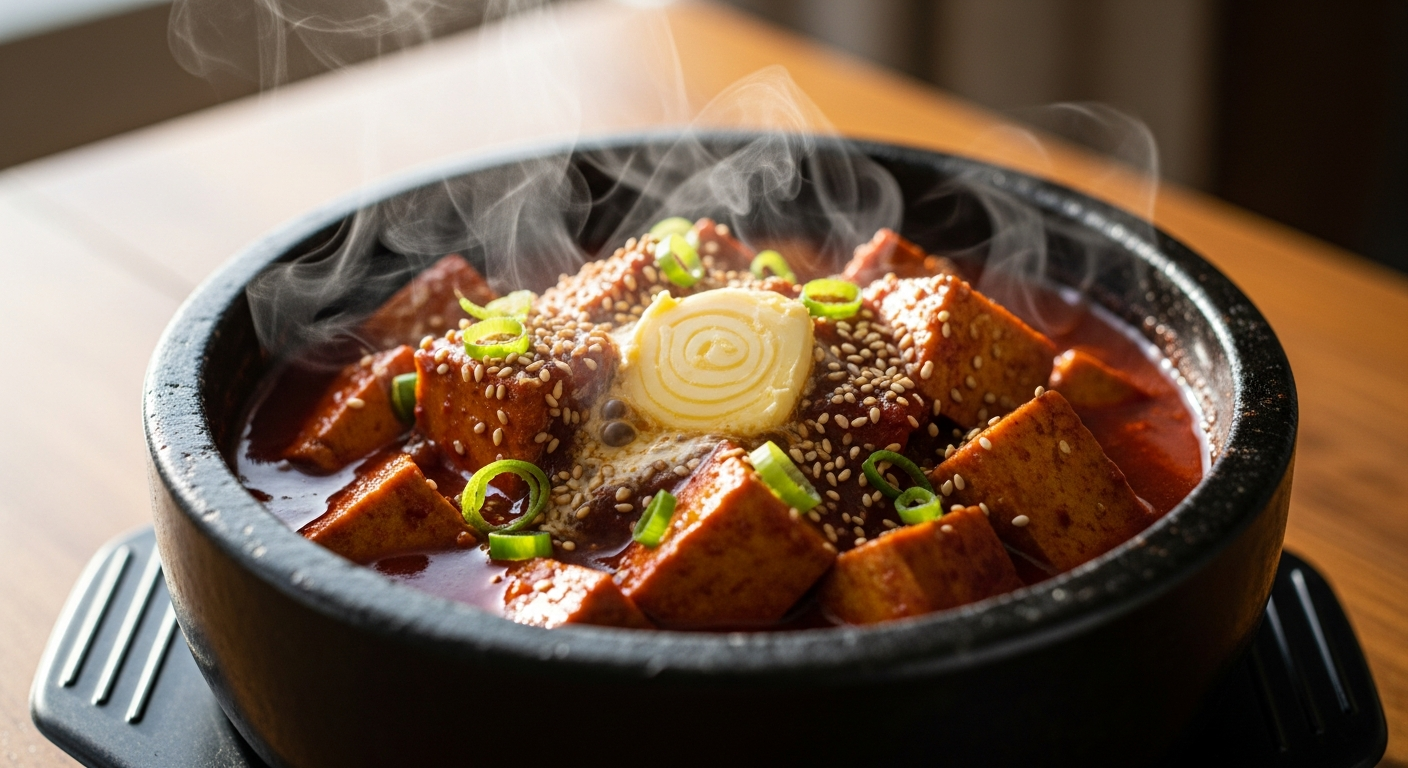
Not the soupy street-cart kind. This is the crisp-outside, chewy-inside version, and honestly my kids ask for it more than the real thing.
Look for garaetteok (the cylinder rice cakes) in the freezer or refrigerated section of any Asian grocery. Trader Joe's sells a ready frozen tteokbokki kit that works fine too.
Here's the step everybody skips, and it's the whole ballgame: frozen tteok has to soak in cold water for 5–10 minutes first, until the pieces separate easily in your hand. Air fry them straight from frozen and they steam themselves. You get hard, gummy little erasers instead of crisp ones. I ruined two batches before I figured this out and blamed my air fryer both times.
Method
- Soak frozen rice cakes in cold water 5–10 minutes. Separate them, then pat dry.
- Toss with 1 tsp neutral oil.
- Air fry at 400°F for 8 minutes, shaking the basket halfway.
- Toss in the same sauce from the chicken recipe above — gochujang, honey, soy, a little garlic — thinned with a splash of water.
- Sesame seeds and sliced green onion on top.
The outside blisters and the middle stays chewy. That's tteokbokki, spelled that way, not "dukbokki," which I see everywhere and which makes me twitch a little.
Air Fryer Dubu Jorim (Spicy Braised Tofu)
The real version gets pan-fried first, then braised in a seasoned sauce. The air fryer handles the frying part in a fraction of the time with barely any oil. My version skips the braise — the tofu just gets tossed in the sauce at the end — and nobody's complained.
Ingredients (serves 2–3)
- 1 block (14 oz) extra-firm tofu, pressed and cut into 1-inch cubes
- 1 tbsp soy sauce
- 1 tsp sesame oil
- 1 tsp gochugaru or red pepper flakes
- 1 tsp sugar
- 2 cloves garlic, minced
- 2 green onions, sliced
Instructions
Air fry the tofu cubes at 375°F for around 15 minutes, until golden — give or take, depending on how well you pressed the tofu and what model you've got. While that's going, warm the rest of the ingredients in a small saucepan over medium heat for a couple of minutes. Toss the hot tofu in the sauce and get it over rice immediately.
The texture is the thing here. It crisps in a way I could never quite hit on the stove, where one side always burned while I poked at the other.
Air Fryer Japchae Patties (The Leftover Trick)
Japchae is the stir-fried glass-noodle dish, and it makes a ton, so there are always cold leftovers sulking in my fridge. This is what to do with them.
Shape the cold japchae into little patties, maybe ½ inch thick. Brush lightly with sesame oil and air fry at 380°F for 8–10 minutes, flipping once. The outside crisps up while the noodles stay soft and chewy inside. My kids tear through these after school. They're great dipped in soy sauce with a splash of rice vinegar.
Air Fryer Korean Sweet Potato (Goguma) with Miso Butter
Roasted goguma is pure comfort food back home. In winter you'd buy it hot off a street cart, in a paper cup, and hold it in your coat pocket for the walk. The regular orange sweet potatoes here are wetter and less nutty than the Korean kind, but they roast up beautifully.
Ingredients and Method
Cut sweet potatoes into rounds, roughly ¾ inch thick. Toss with a little neutral oil and a pinch of salt. Air fry at 370°F for 18–20 minutes, until the edges caramelize and a fork slides in easy. Timing shifts by model, so check before you commit.
For the miso butter: mash 1 tbsp softened butter with ½ tsp white miso and a drizzle of honey. That's the whole recipe. Spread it on while they're hot. I'm not sure I'll ever go back to plain.
How to Batch Cook and Reheat Korean Air Fryer Recipes
Sunday is when I get ahead of the week, because Wednesday-me is useless.
What I batch: Chicken through step 5 — cooked, unsauced, cooled completely, then into the fridge for up to 3 days. Sauce keeps a week in a jar. Tofu cubes cook and cool the same way. Rice cakes I soak and dry the night before, then cover in the fridge.
Reheating, the part that matters: 375°F for 3–4 minutes, single layer, no sauce yet. It comes back genuinely crisp. This is the one thing an air fryer does better than the original method, since reheated deep-fried chicken is basically a lost cause. Sauce after, always after.
Do not microwave it. I've done it. You get a warm, floppy apology.
Japchae patties are actually better the next day once the noodles set up cold. Miso butter takes 30 seconds — make it fresh.
Air Fryer Troubleshooting Tips for Crispy Korean Food
Don't crowd the basket. Korean sauces are sugary, and crammed-together pieces steam instead of caramelize. You end up with sad, pale, sticky tofu or chicken. Work in batches even when you're impatient. I am always impatient, and I am always wrong about this.
Use perforated parchment for saucy recipes. It turns a 15-minute scrub into a 30-second wipe. One caution I learned by nearly setting off the smoke alarm: weigh the parchment down with food before the air fryer runs, and never preheat with parchment alone. Loose parchment can blow straight into the heating element. Check your machine's manual.
The reason I cook Korean food this way is that it meets me where I actually am: tired, in a small New York kitchen, with two kids who need to eat before 7. In Seoul I'd have called for chicken and it'd be at the door in 30 minutes for less than what wings cost here. That's not my life anymore. But this is close, and it's mine, and the kids fight over the last piece either way.
You don't need a specialty pantry to make something that tastes like home. You just need to stop believing you do.
Frequently Asked Questions
Can I make Korean fried chicken without gochujang?
Yes. Use 2 tsp white miso + 2 tsp sriracha + 1 tsp brown sugar for every 1 tbsp of gochujang. The miso is doing the heavy lifting — it brings back the fermented, savory depth that sriracha alone can't. No miso? Sambal oelek plus brown sugar and a splash of soy gets you close. It won't taste identical, but it'll taste right. Check your regular store's international aisle first, though — Walmart, Target, and Kroger carry gochujang now.
What temperature and time should I use for Korean chicken in an air fryer?
400°F (204°C): 10 minutes, flip, then 8–10 minutes more. Wings and thighs both. But time is a suggestion and temperature is the rule — 165°F (74°C) internal, checked with a thermometer. Air fryer models vary more than you'd think, and poultry isn't worth guessing on. For tofu and vegetables, dial back to 370–380°F.
Can I reheat Korean fried chicken in the air fryer and keep it crispy?
This is the air fryer's best trick. 375°F, 3–4 minutes, single layer, unsauced. It comes back crisp in a way the microwave will never manage. If it's already sauced, it'll be softer — still tasty, just not crunchy. Sauce after reheating whenever you can.
Why is my air fryer tteokbokki hard instead of chewy?
You air-fried it straight from frozen. Rice cakes need 5–10 minutes in cold water first, until the pieces come apart easily, then a pat dry. Skip that and they steam from the inside out and turn dense. It's the single most common way this recipe fails, and it's a 10-minute fix.
Why is my Korean fried chicken sticky instead of crispy?
Two likely culprits. The basket was overcrowded, or you sauced it too early. Sugary sauces need space and a dry surface to caramelize instead of steam, and once sauce sits on a finished crust, it softens it within minutes. Dry the chicken hard before coating, use the cornstarch-and-baking-powder double coat, cook in a single layer, and sauce at the very last second.
Hungry for more weeknight Korean cooking? Read next: [5 Easy Korean Noodle Dishes That Come Together in 20 Minutes]